Back to Blog
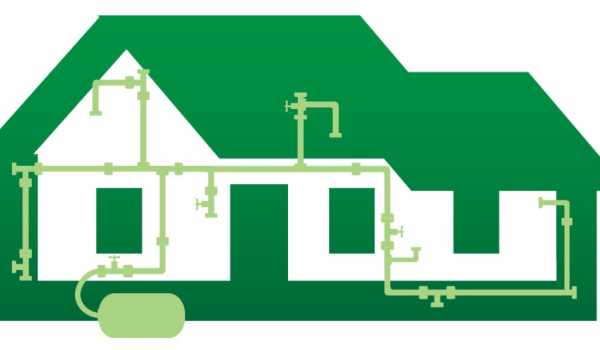
Many of us have experienced both the excitement and headaches associated with moving into a new home. Not unlike migrating to a new business management solution, certain systems should be in place prior to settling in. For example, it would be ridiculous to move into a house that did not have its plumbing systems installed. Similarly, you should not implement your CRM and accounting systems separately. Here are a few reasons why.
First, the average small scale CRM to accounting integration encompasses five data tables and 25 data fields. Larger projects typically involve 15 or more data tables and hundreds of data fields. Ignoring the accounting data upfront is like having the furniture and interior decorating finished prior to plumbing working. This results in unnecessary redesign, patchwork, time and resources to ensure all systems in place are up to code or requirements.
Conversely, you may think it makes sense to have your accounting software run separately from your Sales and Marketing platform. However, managing two different systems creates more manual entry for staff and duplication of data when attempting to process information between business tools. You would not have your bathrooms built separately for use outside your home. Therefore, you can easily eliminate the disconnect by having your accounting application seamlessly integrated.
Back office applications like Accounting Seed are a vital necessity that help companies keep track of their finances more efficiently. Don’t fall into the bind of being a house without plumbing; integrate your CRM and Accounting together.
See Accounting Seed in action
See how accounting on Salesforce can eliminate the need for costly integrations—and silos of mismatched information—by sharing the same database as your CRM.